Table of Contents
ToggleThe Xbox 360 may be a legacy console, but thousands of gamers still fire it up daily for everything from nostalgic replay sessions to exploring the library of classics that defined an era. In 2026, the question isn’t whether the 360 still works, it’s how to keep it running smoothly when Microsoft’s support has shifted almost entirely to current-gen hardware.
Updates for the Xbox 360 have slowed to a trickle, but they haven’t disappeared entirely. Security patches, compatibility fixes, and the occasional backend tweak still roll out, especially for users who connect to Xbox Live. Whether you’re troubleshooting a stubborn error code, wondering if your offline console needs attention, or just trying to squeeze a few more years out of your trusty Jasper or Slim model, this guide covers everything you need to know about Xbox 360 updates in 2026.
Key Takeaways
- Xbox 360 updates in 2026 focus on security patches and backend compatibility rather than new features, ensuring Xbox Live connectivity and digital license processing remain functional.
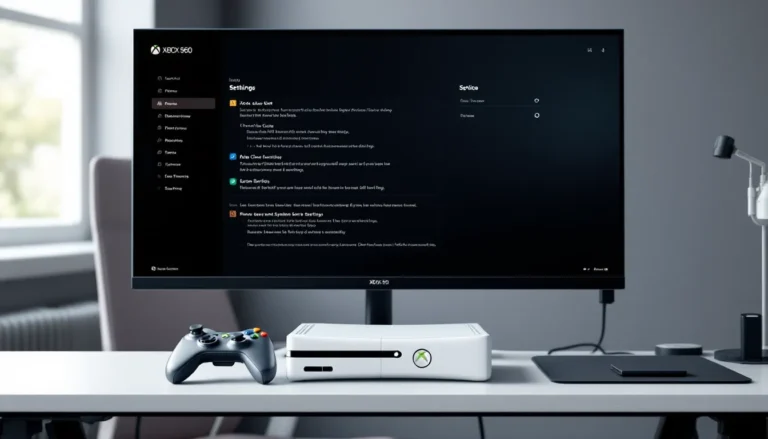
- Check for Xbox 360 system updates automatically through Settings > System > Console Settings > System Info, or force a manual check if you suspect pending updates are available.
- Use the USB offline update method if your Xbox 360 won’t connect to the internet or is stuck in an update loop—download the cumulative system update file from Xbox Support and install via USB drive.
- Clear your system cache through Settings > System > Storage to resolve corrupted download errors and connection issues that prevent Xbox 360 updates from completing.
- For offline gaming and preservation, you can disconnect your Xbox 360 from the internet entirely and skip updates indefinitely while maintaining access to all installed games and saved data.
- Regular physical maintenance including dusting vents every 3-6 months, replacing thermal paste, and storing discs properly is critical for extending your Xbox 360’s lifespan as Microsoft’s support window closes.
Understanding Xbox 360 Updates in 2026
Microsoft officially ended major feature updates for the Xbox 360 back in 2016 when the New Xbox One Experience rolled out, but the console hasn’t been completely abandoned. In 2026, updates are sparse and focused on maintaining basic functionality rather than adding new features. If you’re still running an Xbox 360 Archives – Markbandblade setup, understanding what’s changed, and what hasn’t, can save you from chasing fixes that don’t exist.
What Xbox 360 Updates Still Include
The updates Microsoft pushes to Xbox 360 consoles in 2026 are primarily security patches and backend compatibility fixes. These updates ensure the console can still authenticate with Xbox Live servers, process digital licenses, and communicate with Microsoft’s aging infrastructure. You won’t see new dashboard features, streaming app integrations, or UI redesigns.
Typical update content includes:
- Security patches to address vulnerabilities in network authentication and data transmission
- Xbox Live connectivity fixes to keep legacy accounts and friend lists functional
- Digital rights management (DRM) updates for downloaded games and DLC
- Minor bug fixes related to system stability and memory management
Update file sizes are usually small, ranging from 10MB to 80MB, and install quickly compared to the multi-gigabyte patches common on Xbox Series X
|
S. The last major system update was version 2.0.17559.0, released in late 2023, which addressed a critical network handshake issue that was kicking users offline.
Why Updates Matter for Legacy Consoles
Even though the Xbox 360 is no longer the flagship, keeping it updated matters if you want to maintain access to Xbox Live services, downloaded content, and multiplayer functionality. Outdated firmware can cause authentication failures, preventing you from signing into your Xbox Live profile or accessing your digital library.
For offline-only users, updates are less critical but still beneficial. System stability improvements can reduce the chance of dashboard freezes or disc read errors. If you’re preserving a collection of physical games and never connect to the internet, you can skip updates entirely, but if you ever plan to go online, even briefly, you’ll need to accept all pending updates at once.
According to Windows Central, Microsoft’s legacy server maintenance for Xbox 360 has been surprisingly robust given the console’s age, but that support won’t last forever. Staying current on updates now means you’re less likely to hit a brick wall if servers are eventually deprecated or scaled back further.
How to Check for Xbox 360 System Updates
Checking for updates on the Xbox 360 is straightforward, but the process varies slightly depending on whether you’ve enabled automatic updates or prefer manual control. Most players connect via Xbox Live, but offline options exist for those without reliable internet or who’ve deliberately kept their console disconnected.
Automatic Update Settings
By default, the Xbox 360 is configured to download and install updates automatically when connected to Xbox Live. This happens in the background while the console is idle or in standby mode, assuming you haven’t disabled the feature.
To check your automatic update settings:
- Press the Guide button (the glowing Xbox logo on your controller)
- Navigate to Settings > System
- Select Console Settings > System Info
- Look for Automatic Updates status (it should say “Enabled”)
If automatic updates are on, your console will grab new firmware whenever Microsoft pushes it. You’ll usually see a notification on the dashboard after the update installs, prompting you to restart the console. If you’ve been offline for months and suddenly connect, expect a prompt to download any pending updates before you can access Xbox Live features.
Manual Update Check Process
If you prefer manual control or suspect an update is available but hasn’t triggered automatically, you can force a check:
- From the Xbox 360 dashboard, navigate to Settings
- Select System > Console Settings > System Info
- The current OS version will be displayed (e.g., 2.0.17559.0)
- If an update is available, you’ll see a prompt to download and install it
If no update is available, the console will simply display your current version and return to the menu. This manual check is useful for troubleshooting, if you’re experiencing connection issues, forcing a manual update check can sometimes resolve authentication problems by refreshing your console’s handshake with Xbox Live servers.
Step-by-Step Guide to Updating Your Xbox 360
Whether you’re updating via Xbox Live or using a USB drive for an offline update, the process is quick once you know the steps. Most users will rely on the online method, but the USB option is a lifesaver for consoles that can’t connect to the internet or are stuck in an update loop.
Updating via Xbox Live Connection
This is the default method and the one Microsoft expects most users to follow. You’ll need a working internet connection and an Xbox Live profile (Gold membership is not required for system updates).
Step-by-step process:
- Power on your Xbox 360 and ensure it’s connected to the internet (wired or wireless)
- Sign in to your Xbox Live profile (updates can download without signing in, but authentication speeds up the process)
- Navigate to Settings > System > Console Settings > System Info
- If an update is available, a prompt will appear: “A system update is required. Download and install now?”
- Select Yes to begin the download
- The download progress bar will appear, file sizes are typically 10-80MB, so downloads complete in under a minute on most connections
- Once downloaded, the console will prompt you to restart and install
- Select Restart Now, the console will reboot, display a progress bar during installation, and return to the dashboard when complete
The entire process takes 3-10 minutes depending on your connection speed and console model. Don’t power off the console during installation, interrupting the process can cause corruption and require a USB recovery update.
Updating via USB Drive (Offline Method)
If your Xbox 360 can’t connect to the internet, you’re stuck in an update loop, or you want to update a console that’s been offline for years, the USB method is your backup plan. This process requires a Windows PC and a USB flash drive formatted to FAT32 (1GB or larger is plenty).
Step-by-step process:
- Download the offline system update file from Xbox Support’s official page (search for “Xbox 360 Offline System Update”)
- The file will be named something like $SystemUpdate and will be approximately 200-400MB
- Extract the contents to your USB drive’s root directory, do not place the files in a subfolder
- Eject the USB drive safely and plug it into any USB port on your Xbox 360
- Power on the console, it should automatically detect the update file and prompt you to install
- If the prompt doesn’t appear, navigate to Settings > System > Console Settings > System Info and select Update from USB
- Follow the on-screen prompts to install the update
- The console will restart and apply the update, this takes 5-15 minutes
This method is particularly useful for consoles that have been in storage for years and need to catch up on multiple updates at once. The offline update file is cumulative, meaning it includes all patches up to the release date of the file you download.
Troubleshooting Common Xbox 360 Update Issues
Updates don’t always go smoothly, especially on a console that’s over a decade old. Hardware wear, network instability, and corrupted downloads can all cause problems. Here’s how to troubleshoot the most common issues.
Update Download Failures and Error Codes
If an update download stalls or fails, you’ll usually see an error code. Common codes include:
- 8015190E: Xbox Live server connection issue, try again in 15 minutes or check Xbox Live status
- 80072EFD: Network connection lost during download, verify your internet connection and retry
- 8007045D: Corrupted download, clear your system cache and attempt the update again
- E68: General hardware failure (often related to overheating or GPU issues), this requires hardware repair, not a software fix
To clear the system cache and resolve corrupted download errors:
- Go to Settings > System > Storage
- Highlight Hard Drive or Memory Unit (but don’t select it)
- Press Y on your controller to open device options
- Select Clear System Cache
- Confirm the action, this won’t delete saved games or profiles, only temporary files
- Restart the console and retry the update
If error codes persist after clearing the cache, try the USB offline update method described earlier. This bypasses Xbox Live servers entirely and can work around network-related failures.
Connection Problems During Updates
If your Xbox 360 keeps disconnecting from Xbox Live during an update, the issue is usually related to network instability or NAT type restrictions. The 360’s network stack is less forgiving than modern consoles, and it struggles on congested Wi-Fi networks.
Troubleshooting steps:
- Switch to a wired Ethernet connection if you’re using Wi-Fi, the 360’s wireless adapter (especially on older models) is notoriously flaky
- Check your NAT type in Settings > System Settings > Network Settings > Test Xbox Live Connection, you want Open or Moderate, not Strict
- Forward ports on your router if your NAT type is Strict, Xbox 360 uses ports 3074 (UDP/TCP) and 53 (UDP) for Xbox Live
- Disable UPnP temporarily in your router settings and manually forward ports, UPnP on older routers can cause intermittent drops
If none of these steps work, consider hotspotting from your phone for the duration of the update. Modern LTE/5G connections are stable enough for small downloads, and you’ll bypass any router-related issues.
Storage Space and Performance Issues
Updates require free space on your Xbox 360’s internal storage or hard drive. If you’re running low on space, the console may fail to download or install updates without a clear error message.
Check available storage:
- Go to Settings > System > Storage
- Select your Hard Drive or Memory Unit
- Review available space, you need at least 500MB free for most system updates
If storage is tight:
- Delete old game saves you no longer need (back them up to a USB drive first if they’re important)
- Remove unused DLC or demos from the storage device
- Move saved games to a USB drive or cloud storage (if you have Xbox Live Gold)
Performance issues after an update, like slow dashboard navigation or delayed button responses, are usually related to a failing hard drive or overheating. If your console is sluggish post-update, consider improving driver performance or checking for hardware issues like thermal paste degradation.
Game and App Updates on Xbox 360
System updates are one thing, but individual games and apps also receive patches, especially if they’re backward compatible titles or still have active online communities. Managing these updates is separate from the system update process.
How to Update Individual Games
Games on the Xbox 360 handle updates differently depending on whether they’re physical disc-based titles or digital downloads. When you launch a game that has an available update, you’ll usually see a prompt before reaching the main menu: “A game update is available. Download now?”
For disc-based games:
- Insert the disc and launch the game
- If an update is available, accept the prompt to download it
- The update will download to your hard drive or memory unit
- Once installed, the game will launch normally
Updates for disc-based games are stored on the hard drive and apply every time you play, even if you swap discs. If you delete the update, you’ll be prompted to re-download it the next time you launch the game.
For digital downloads from Xbox Live Arcade or Games on Demand:
- Navigate to My Games on the dashboard
- Highlight the game and press the Menu button (three horizontal lines on newer controllers, or the Start button on older ones)
- Select Manage Game
- If an update is available, you’ll see it listed under Updates
- Select Download to install it
Some games, especially multiplayer titles like Halo 3, Call of Duty: Black Ops II, or Gears of War 3, require the latest patch to access online modes. If you skip an update, you’ll be locked out of matchmaking until you install it.
Managing Downloaded Content Updates
DLC, themes, gamerpics, and other downloaded content occasionally receive updates, though this is rare in 2026. Most DLC is static and doesn’t change after the initial download. But, if you’re experiencing issues with DLC not appearing in-game, try the following:
- Go to Settings > Account > Download History
- Find the DLC in question and select Download Again
- This will re-download the license file and content, which can fix corruption issues
If you’re managing a large library of backward compatible games, keep in mind that some titles receive updates when played on Xbox One or Xbox Series X
|
S, but those updates don’t retroactively apply to the 360 version. The 360 version remains locked to its final patch state from the console’s active lifespan.
Xbox 360 Dashboard and Interface Updates
The Xbox 360 went through several dashboard overhauls during its lifespan, from the original Blades interface (2005) to the New Xbox Experience (2008) and finally the Metro-style dashboard (2011) that remains in place today. Understanding the evolution helps contextualize what the console can, and can’t, do in 2026.
Evolution of the Xbox 360 Dashboard
The Blades dashboard (2005-2008) was the original interface, featuring a horizontal row of “blades” that users navigated with the bumpers. It was clean and fast, but limited in functionality, no avatars, no social features, and minimal multimedia support.
The New Xbox Experience (NXE) (2008-2011) introduced Avatars, a redesigned Friends list, and Netflix integration. It was a huge leap forward in terms of social features and media consumption, but it also marked the beginning of Microsoft’s push to turn the 360 into an entertainment hub rather than just a gaming console.
The Metro dashboard (2011-present) brought the tile-based interface inspired by Windows Phone and Windows 8. It introduced Kinect voice commands, Bing search, and deeper integration with streaming apps. It’s the final dashboard revision the 360 received, and it’s what users see in 2026.
Each dashboard update was mandatory for Xbox Live users, meaning you couldn’t skip them if you wanted to stay online. Offline consoles, but, can still run older dashboard versions if they’ve never been updated.
Current Dashboard Features and Limitations
In 2026, the Xbox 360’s dashboard is frozen in time. The Metro-style interface remains, but many of its features have been deprecated or scaled back:
- Streaming apps like Netflix, Hulu, and YouTube have been discontinued on the 360, servers were shut down between 2020 and 2024
- Bing search still functions, but results are limited to Xbox Live Marketplace content (which is mostly delisted at this point)
- Friends list and messaging still work, though cross-platform messaging with Xbox One/Series X
|
S is unreliable
- Avatar customization remains functional, and you can still purchase (or redeem codes for) avatar items, though new content hasn’t been added since 2019
- Xbox Live Marketplace is read-only, you can re-download previously purchased content, but you can’t buy new games or DLC
The dashboard feels sluggish compared to modern consoles, especially on older models like the original Xbox 360 with limited RAM. Navigation lag is common, and the ad tiles (which still load, inexplicably) can slow down the main menu even further.
Maintaining Your Xbox 360 Without Regular Updates
Not every Xbox 360 needs to stay connected to the internet. For players focused on offline gaming, preservation, or building a retro collection, updates are optional, and in some cases, undesirable. Here’s how to keep your console healthy without relying on Microsoft’s servers.
Offline Gaming and Preservation
If you’re using your Xbox 360 purely for offline single-player gaming or preserving a physical game collection, you can disable network connectivity entirely and skip updates indefinitely. This approach has several advantages:
- No forced updates that might introduce instability or dashboard bloat
- Faster dashboard performance since the console isn’t pinging Xbox Live servers or loading ad tiles
- Longer console lifespan due to reduced network-related stress on the system
To fully disconnect your Xbox 360:
- Go to Settings > System > Network Settings
- Select Wired Network or Wireless Network (whichever you’re using)
- Choose Disconnect or Turn Off Wireless
- Confirm the action
Once disconnected, your console will function as a purely offline machine. You’ll retain access to all installed games, saved games, and local profiles. Achievements will still unlock and be recorded locally, but they won’t sync to Xbox Live unless you reconnect.
For preservation enthusiasts, this setup is ideal. You can play classic Xbox 360 shooting games without worrying about server shutdowns, delisted DLC, or forced updates that might break compatibility with older peripherals like the original Xbox 360 controller.
Best Practices for Long-Term Console Care
Whether you’re online or offline, physical maintenance is critical for keeping a 15+ year-old console running. The Xbox 360 is prone to overheating, disc drive failures, and capacitor degradation, all issues that updates can’t fix.
Essential maintenance tips:
- Dust the console regularly, use compressed air to blow out the vents every 3-6 months. Dust buildup is the #1 cause of overheating and GPU failure (the infamous Red Ring of Death).
- Replace thermal paste on older models, if you’re comfortable opening the console, fresh thermal paste can drop temps by 10-15°C and extend the GPU’s lifespan.
- Keep the console horizontal if you’re using disc-based games, vertical orientation increases the risk of disc scratching due to the way the drive mounts the disc.
- Use a reliable controller charger to avoid battery-related shutdowns during gameplay.
- Store discs properly, scratches and disc rot are real concerns for physical media. Keep discs in cases, away from sunlight and moisture.
If you’re experiencing disc read errors, cleaning the laser lens with a cotton swab and isopropyl alcohol can sometimes restore functionality. But, if the drive motor is failing, replacement parts are increasingly scarce, consider backing up your saves and transitioning to digital downloads while the Xbox Live Marketplace is still accessible.
Future of Xbox 360 Support and Updates
Microsoft has been remarkably patient with the Xbox 360’s legacy infrastructure, but all signs point toward an eventual sunset. In 2026, the writing is on the wall: the 360’s days as a supported platform are numbered.
The Xbox Live Marketplace entered read-only mode in mid-2024, meaning users can re-download purchased content but can’t buy new games or DLC. This mirrors the slow wind-down Microsoft executed with the original Xbox, which lost Xbox Live support entirely in 2010.
Multiplayer functionality is still live, but player counts have cratered. Games like Halo 3 and Call of Duty: Black Ops II still have dedicated communities, but matchmaking times are long, and lobby populations are tiny. Microsoft hasn’t announced a shutdown date for Xbox 360 multiplayer servers, but industry analysts expect it to happen sometime between 2027 and 2029.
Backward compatibility on Xbox Series X
|S has picked up some of the slack, over 600 Xbox 360 titles are playable on current-gen hardware, often with enhanced resolution and frame rates. If you’re invested in the 360 library but want better performance and ongoing support, transitioning to Series X|
S is the smart play. But, not every 360 game made the backward compatibility list, and some beloved titles (especially those with expired music licenses or complex middleware) will remain locked to the original hardware.
For pure preservation, keep your Xbox 360 offline, maintain the hardware, and archive your saves. According to IGN, the retro gaming community has increasingly shifted toward original hardware for the most authentic experience, and the 360 is no exception. As updates slow to a halt and servers eventually go dark, offline-capable consoles will become the only way to experience the library as it was meant to be played.
If you’re still holding onto an active Xbox Live profile on 360, now’s the time to archive your downloaded content and capture any cloud saves before services are deprecated. Microsoft hasn’t committed to migrating Xbox 360 cloud saves to newer platforms, so manual backups to USB drives are the safest bet.
Conclusion
The Xbox 360 is a legacy console in every sense of the word, its active support window has closed, its marketplace is frozen, and its online community is a shadow of what it once was. But it’s far from dead. With the right maintenance, occasional updates, and a bit of troubleshooting know-how, your 360 can keep delivering the games and experiences that defined a generation.
Whether you’re staying connected to Xbox Live for as long as the servers hold out or running a fully offline preservation setup, the key is understanding what the console can, and can’t, do in 2026. Updates are still available, but they’re rare and focused on backend stability. Offline gaming is still rock-solid, especially if you’ve got a library of physical discs and a well-maintained console.
The 360’s sunset is inevitable, but for now, it’s still kicking. Take care of your hardware, back up your saves, and enjoy the library while you can. The future belongs to Series X
|
S, but the past? That’s still alive and well on Xbox 360.